Martinis can be crisp and savory, bright and fruity, rich and creamy, or bold enough to double as dessert. This collection of martini recipes brings together classic-inspired cocktails, fresh fruit martinis, coffee drinks and festive seasonal favorites.

Choose a briny Dirty Martini for cocktail hour, an Espresso Martini for a smooth coffee kick, a Cucumber or Lavender Martini for something fresh and elegant, or a Baileys Chocolate, Key Lime Pie or Candy Cane Martini when you want a sweet dessert cocktail.
Along with the recipes, this guide explains the difference between vodka and gin, when to shake or stir, how vermouth affects a classic martini, why chilling and dilution matter, and which garnishes best complement each drink.
Why You’ll Love These Martini Recipes
- Includes savory, fruity, floral, coffee, chocolate and dessert martinis
- Offers cocktails for summer parties, holiday gatherings, date nights and happy hour
- Features both classic martini flavors and modern drinks served martini-style
- Uses approachable ingredients such as vodka, gin, fresh fruit, coffee, cream and flavored liqueurs
- Includes quick cocktails that can be prepared in only a few minutes
- Makes it easy to find a martini for almost every flavor preference
Tips for Making Great Martinis
- Chill the glass. Place the martini glass in the freezer for 10 to 15 minutes or fill it with ice water while you prepare the drink.
- Use plenty of fresh ice. A full shaker or mixing glass chills the cocktail quickly and provides more controlled dilution.
- Measure each ingredient. Small changes in spirit, vermouth, juice or syrup can noticeably affect a martini’s balance.
- Use fresh citrus. Fresh lemon and lime juice taste brighter and cleaner than most bottled versions.
- Shake or stir long enough. Mix until the outside of the shaker or mixing glass feels thoroughly cold.
- Serve immediately. Martinis are at their best when freshly strained into a cold glass.
- Taste sweet ingredients first. Fruit purées, schnapps and liqueurs vary in sweetness, so adjust simple syrup as needed.
Martini Recipes

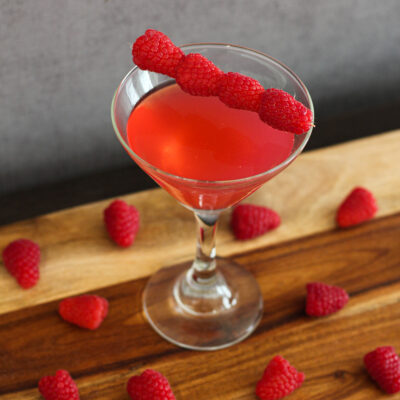
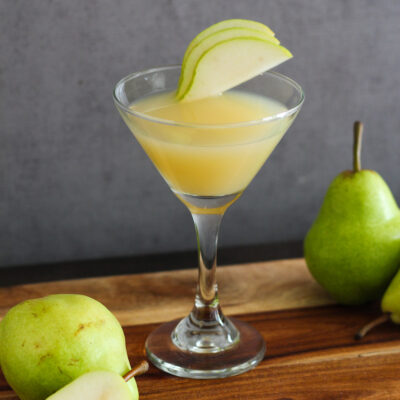
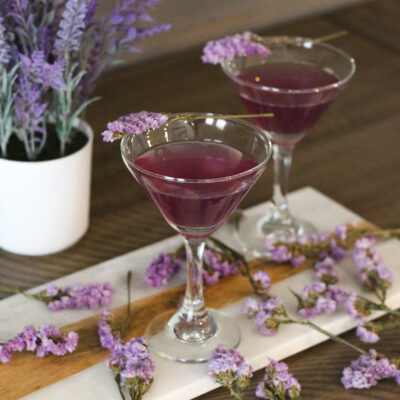
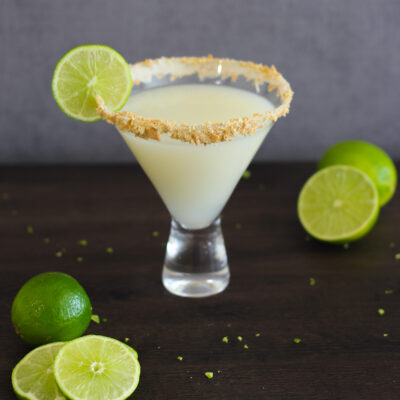
What Makes a Drink a Martini?
A classic martini is a spirit-forward cocktail made with gin or vodka and dry vermouth, usually garnished with an olive or a lemon twist. A Dirty Martini adds olive brine for a salty, savory flavor.
Many modern fruit, coffee and dessert cocktails are also called martinis even though they do not follow the traditional gin-or-vodka-and-vermouth formula. These drinks are typically shaken, strained and served straight up in a martini or coupe glass. That broader style includes Espresso, Watermelon, Raspberry, Chocolate and Key Lime Pie Martinis.
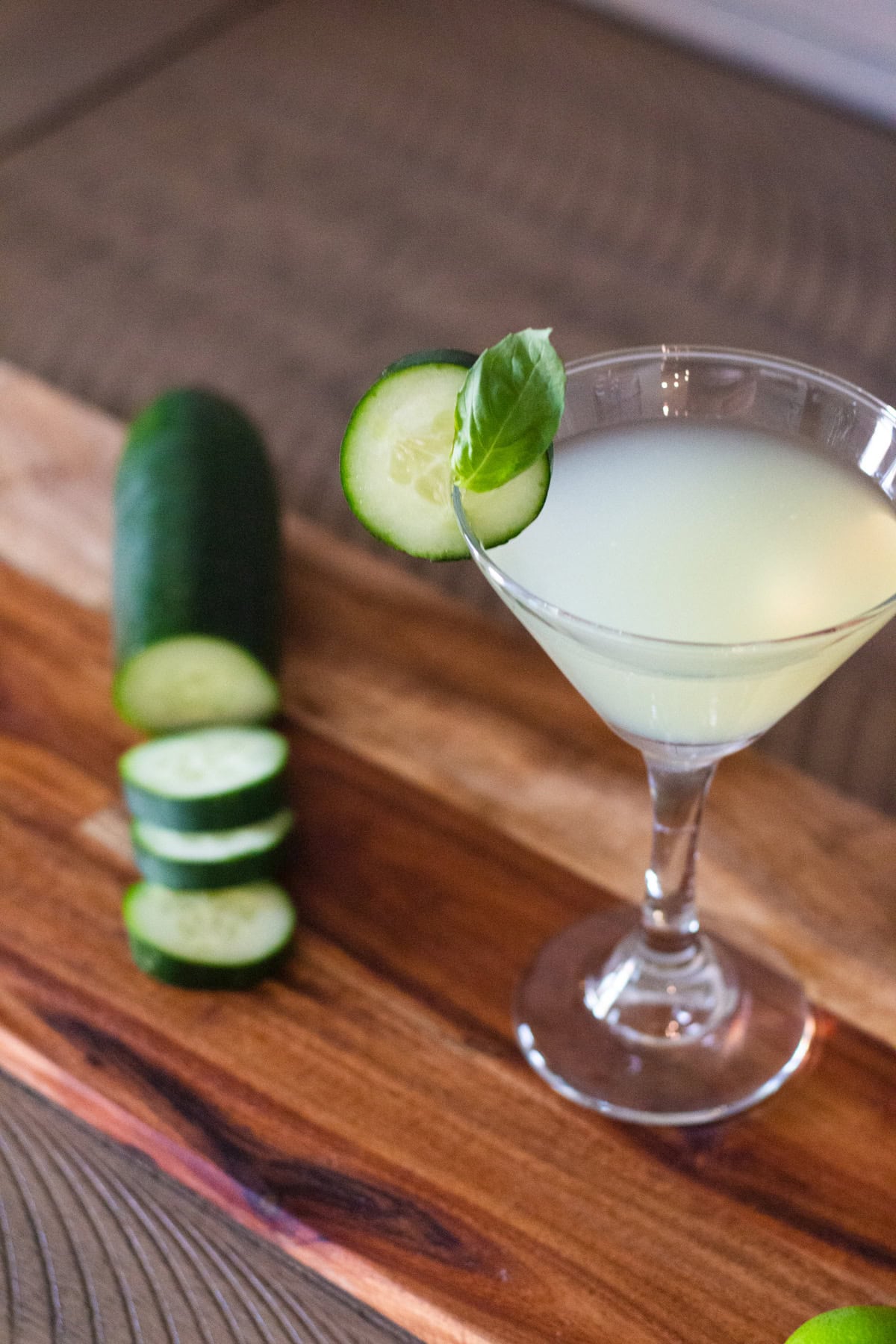
Vodka vs. Gin: Which Is Better for a Martini?
Both spirits can make an excellent martini, but they create noticeably different drinks. The best choice depends on whether you want the base spirit to remain clean and subtle or contribute botanical flavor.
Vodka Martinis
Vodka has a smooth, relatively neutral profile that allows fruit, coffee, chocolate, herbs, olive brine and flavored liqueurs to stand out. It is the most versatile choice for modern martinis such as Raspberry, Watermelon, Espresso, Sour Apple and Baileys Chocolate.
Gin Martinis
Gin brings juniper, citrus, herbs, flowers and spices to the glass. Those botanical notes add complexity to a classic or Dirty Martini and pair especially well with cucumber, lavender, basil and lemon. Because gin has a stronger flavor, choose a style that complements rather than overwhelms the other ingredients.
How to Choose
Use vodka when you want the added flavors to lead, and choose gin when you want the spirit itself to contribute aroma and personality. In recipes that permit either one, tasting the cocktail both ways is the easiest way to find your preference.
Shaken vs. Stirred: How Mixing Changes a Martini

Shaking and stirring both chill and dilute a cocktail, but they create different textures and appearances. The ingredients in the drink usually determine which method works best.
When to Stir a Martini
Stir spirit-forward martinis made primarily with gin or vodka and vermouth. Stirring produces a clear cocktail with a smooth, silky texture and controlled dilution. It is an excellent method for a classic or lightly dirty martini.
When to Shake a Martini
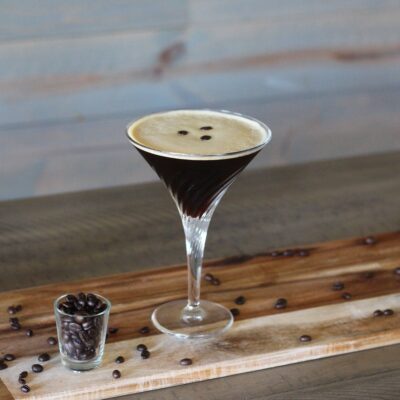
Shake martinis containing citrus juice, fruit purée, syrup, coffee, cream, milk or thick liqueurs. Shaking blends ingredients that have different densities, makes the drink very cold and adds light aeration. Espresso Martinis should be shaken vigorously to help create their signature foamy top.
Can a Dirty Martini Be Shaken?
Yes. Shake a Dirty Martini when you prefer it extra cold, slightly cloudier and a little more diluted. Stir it when you want a clearer appearance and a smoother, more spirit-forward texture.
Understanding Vermouth in a Martini
Dry vermouth is an aromatized fortified wine that softens the strength of gin or vodka and adds herbal, floral and citrus notes. It is essential to the classic martini style, although most fruit and dessert martinis do not use it.
Dry, Wet and Extra-Dry Martinis
- Dry Martini: Uses a smaller proportion of dry vermouth, allowing the gin or vodka to taste more prominent.
- Extra-Dry Martini: Contains very little vermouth and has an especially spirit-forward flavor.
- Wet Martini: Uses more vermouth, creating a softer cocktail with more herbal complexity.
- 50/50 Martini: Combines equal parts spirit and vermouth for a lower-proof, vermouth-forward drink.
- Dirty Martini: Adds olive brine to the spirit and vermouth for savory flavor.
Because vermouth is wine-based, refrigerate it after opening and replace it when it begins to smell flat or taste dull. Fresh vermouth can make a significant difference in a simple, spirit-forward martini.
Why Chilling and Dilution Matter
A martini needs enough contact with ice to become properly chilled and slightly diluted. Dilution softens the alcohol, opens the aromas and helps the flavors taste integrated rather than harsh. Under-mixing can leave the cocktail warm and sharp, while over-diluting it makes the drink thin.
- Fill the shaker or mixing glass with plenty of cold, fresh ice
- Stir spirit-forward martinis for about 20 to 30 seconds
- Shake fruit, coffee or creamy martinis for about 15 to 30 seconds
- Fine-strain when you want to remove small ice chips, fruit seeds or pulp
- Pour into a chilled glass and serve right away
Martini Garnish and Rim Ideas
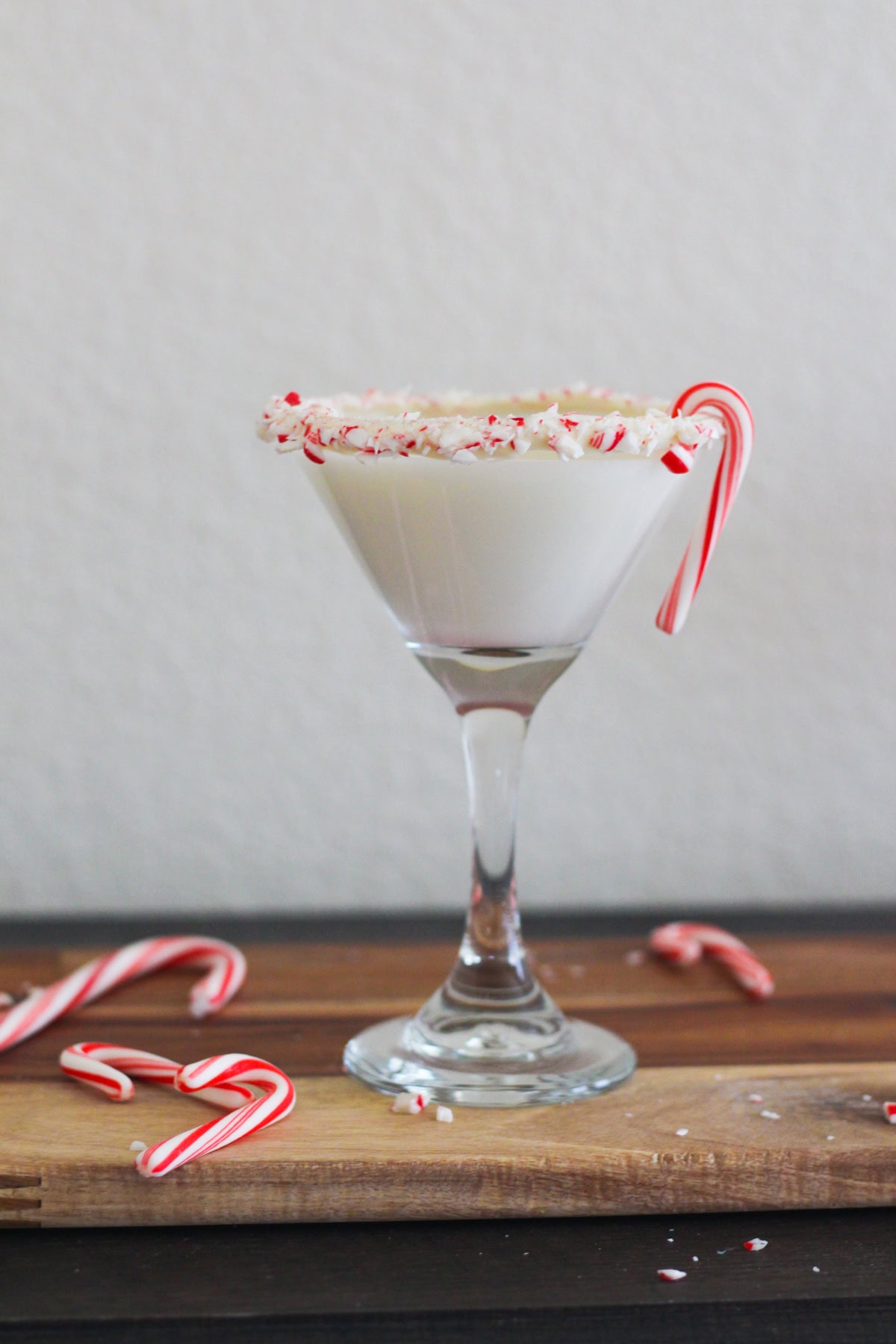
A garnish should support the flavor of the cocktail and give guests a clue about what is in the glass. Keep a classic martini simple, while fruit and dessert martinis can handle more decorative finishes.
- Green olives: The traditional garnish for classic and Dirty Martinis. Try Castelvetrano, Spanish queen, pimento-stuffed, garlic-stuffed or blue cheese-stuffed olives.
- Lemon twist: Express the peel over the drink to release fragrant citrus oils, then place it in the glass.
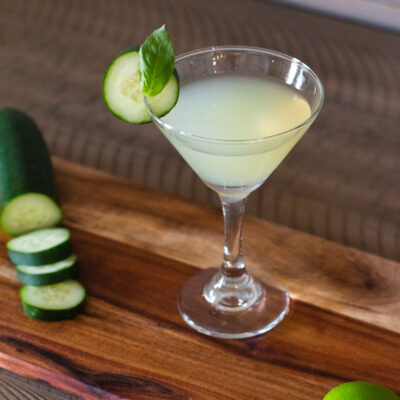
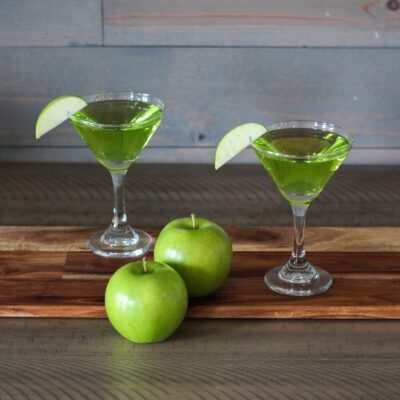
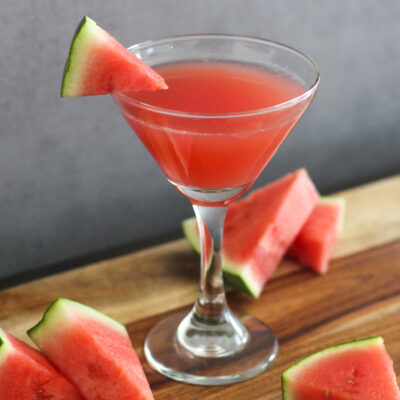
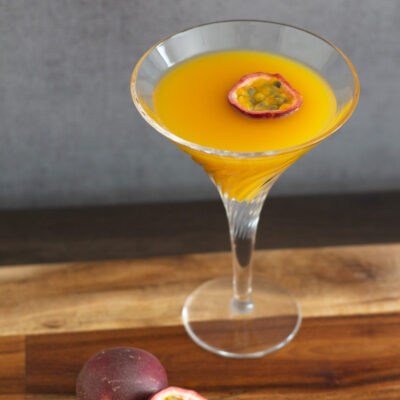
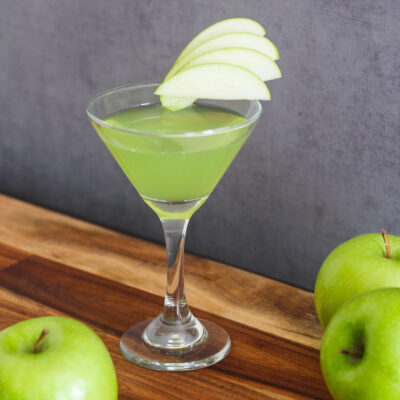
- Fresh fruit: Use watermelon wedges, raspberries, passion fruit, apple slices, cucumber ribbons or lime wheels to match the cocktail.
- Fresh herbs: Basil, mint, rosemary or lavender can add aroma and color when they complement the recipe.
- Coffee beans: Three coffee beans are a classic finishing touch for an Espresso Martini.
- Sugar rim: Works well with fruit-forward martinis such as Watermelon, Raspberry and Passion Fruit.
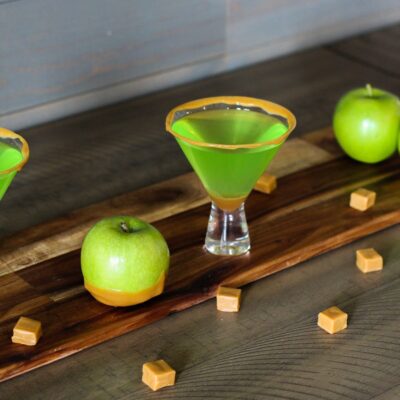
- Caramel rim: Adds sweetness and presentation to a Caramel Apple Martini.
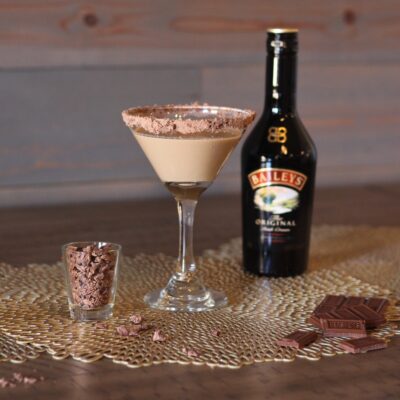
- Chocolate rim or shavings: Complements Baileys Chocolate and other dessert martinis.
- Graham cracker rim: Reinforces the pie-crust flavor of a Key Lime Pie Martini.
- Crushed candy cane rim: Gives a Candy Cane Martini festive color, sweetness and peppermint crunch.
Frequently Asked Questions
Can you serve a martini on the rocks?
Yes. Although martinis are traditionally strained into a chilled glass and served “up,” they can also be served over fresh ice in a rocks glass. This works especially well if you prefer your martini colder and slightly more diluted as you drink it.
What does it mean to order a martini “up”?
Ordering a martini “up” means the cocktail is chilled with ice and then strained into a glass without ice. “On the rocks” means the finished drink is served over ice.
Can you use a coupe glass instead of a martini glass?
Yes. A coupe glass is an excellent substitute for a traditional V-shaped martini glass. Both are stemmed glasses designed for cocktails served without ice, and a coupe’s rounded shape can make it easier to carry without spilling.
A classic martini is a spirit-forward cocktail and is generally stronger than drinks containing larger amounts of juice, soda or other mixers. Fruit, coffee and dessert martinis vary considerably in strength depending on the amount of vodka, gin, liqueur and nonalcoholic ingredients used.
A Perfect Martini traditionally uses both dry vermouth and sweet vermouth rather than only dry vermouth. Despite the name, “perfect” describes the combination of the two types of vermouth rather than suggesting that it is the best style of martini.
Many martinis can be mixed a few hours ahead and refrigerated in a sealed container. Do not add ice until serving. Shake or stir each portion with ice, strain it into a chilled glass and add fresh garnishes just before serving.
More Cocktail Recipes You’ll Love
Enjoy responsibly; these recipes are intended for adults of legal drinking age.